Whiplash and post-MVA injuries often surface days after the impact. We document properly, treat thoroughly, and coordinate with your case so your recovery — and your records — hold up.
Plain-English on what’s actually going on — so the treatment plan makes sense before you commit to it.
Why auto-injury symptoms surface days later
At impact, your body floods with adrenaline and your soft tissues go into protective spasm. For 24 to 72 hours that protective response masks the injury — patients walk away from the scene feeling ‘okay’ and then wake up two days later unable to turn their head. The injury was always there; the body finally let you feel it.
Why early documentation matters
Even minor whiplash creates micro-tears in cervical ligaments and disc structures that can drive symptoms for years if untreated. The longer the gap between the accident and the first exam, the harder it becomes to attribute findings to the collision — both clinically and, if applicable, legally.
What we do about it
Three things, in this order.
No 36-visit packages. No mystery techniques. Just the part that actually changes the picture.
01
Detailed documentation visit
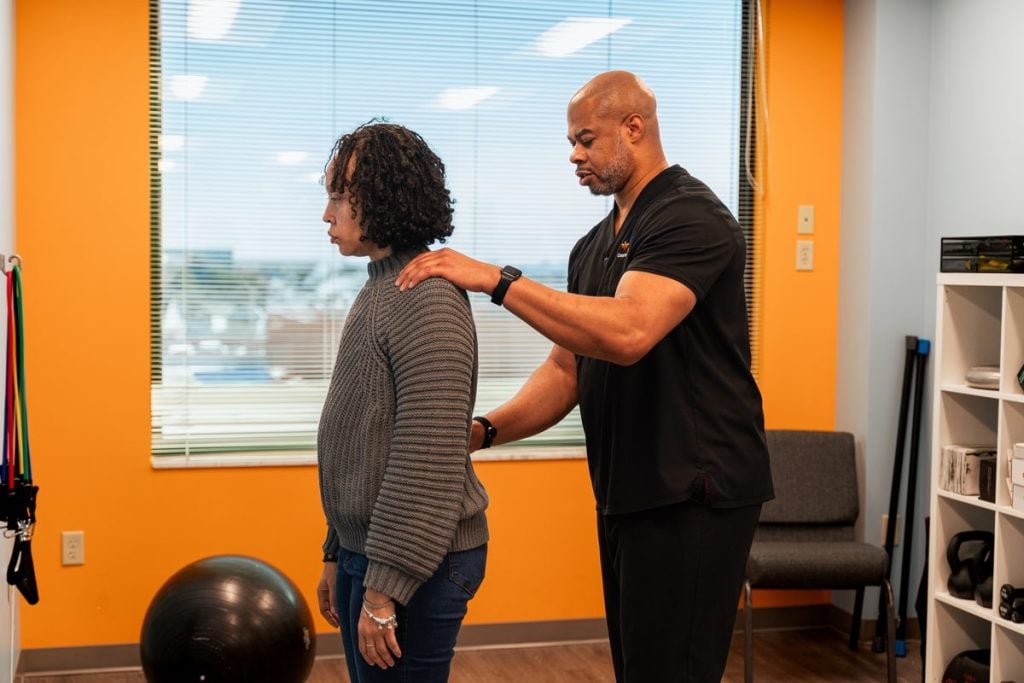
Mechanism of injury, baseline orthopedic and neurological exam, pain and functional measurements — all in the chart from day one.
02
Phase-appropriate treatment
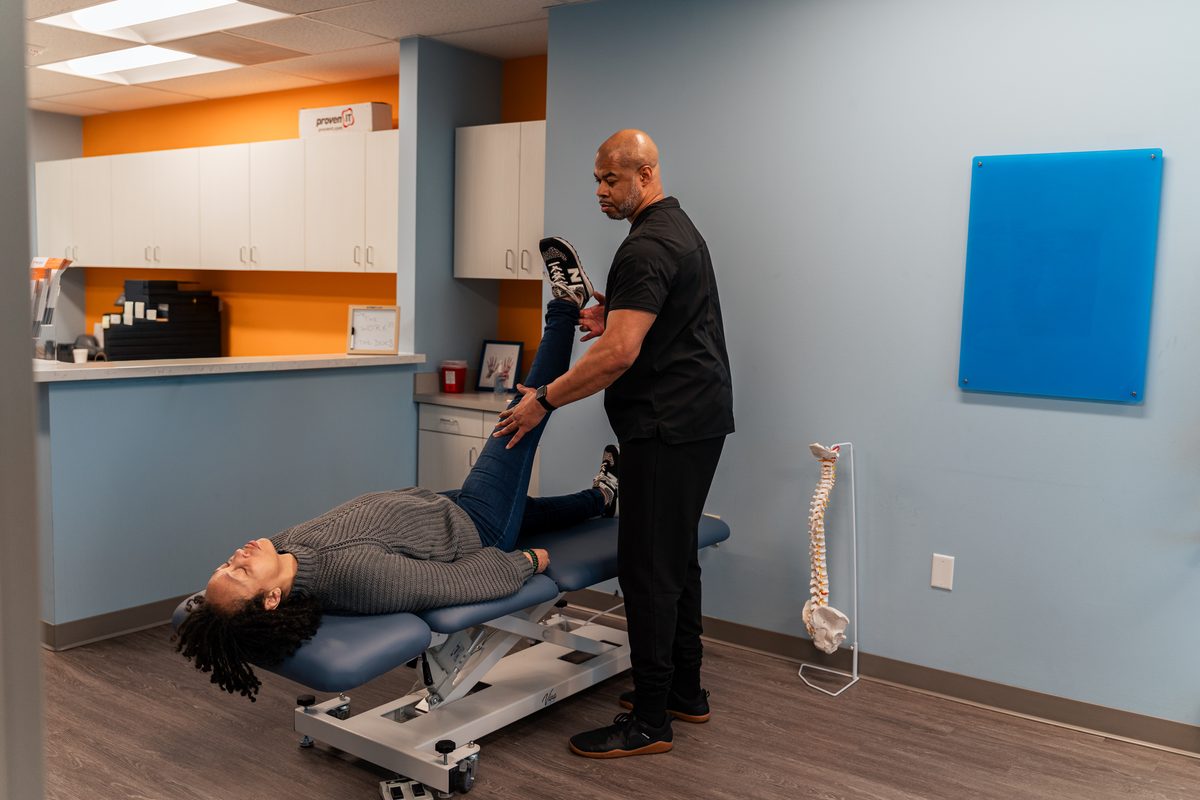
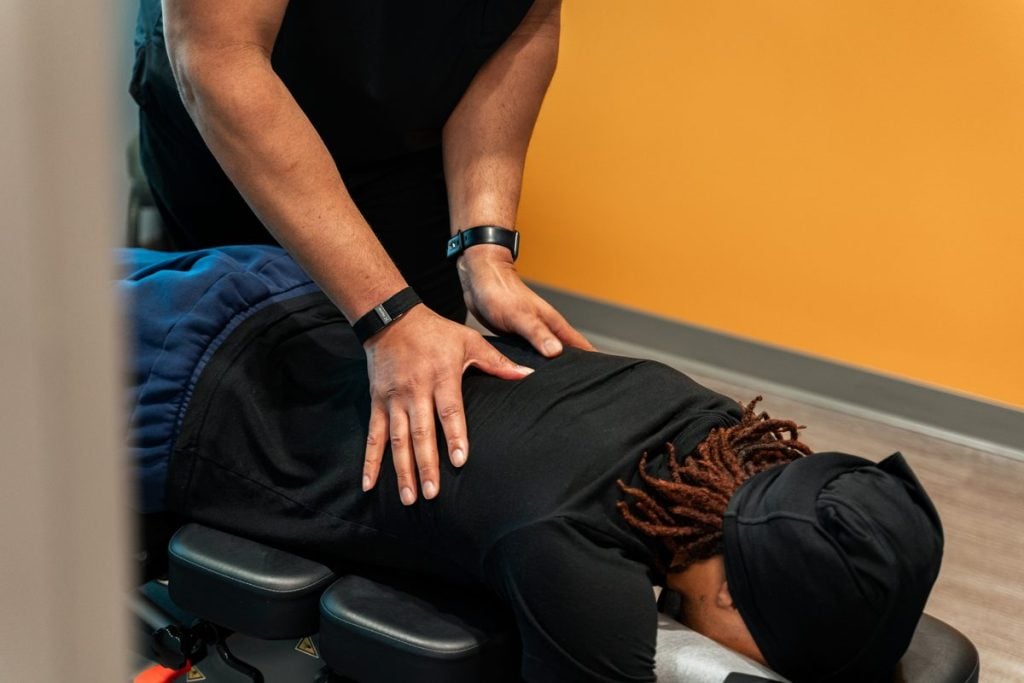
Gentle work and decompression in the acute phase, manual therapy and active rehab in the sub-acute phase, return-to-baseline programming in the recovery phase.
03
Records that hold up
Itemized treatment notes, narrative reports, and clean discharge documentation that an insurer or attorney can read without translation.
What happens during a visit
No mystery. No surprises.
Every visit follows the same honest structure — assess, treat, plan. Here’s exactly what to expect.
01
Thorough documentation visit
Detailed mechanism-of-injury intake, full orthopedic and neurological exam, baseline pain and functional measurements. Everything goes in the chart.
02
Imaging coordination
If we need X-ray or MRI to rule out fracture or disc involvement, we coordinate with the imaging center and review the results with you.
03
Active treatment phase
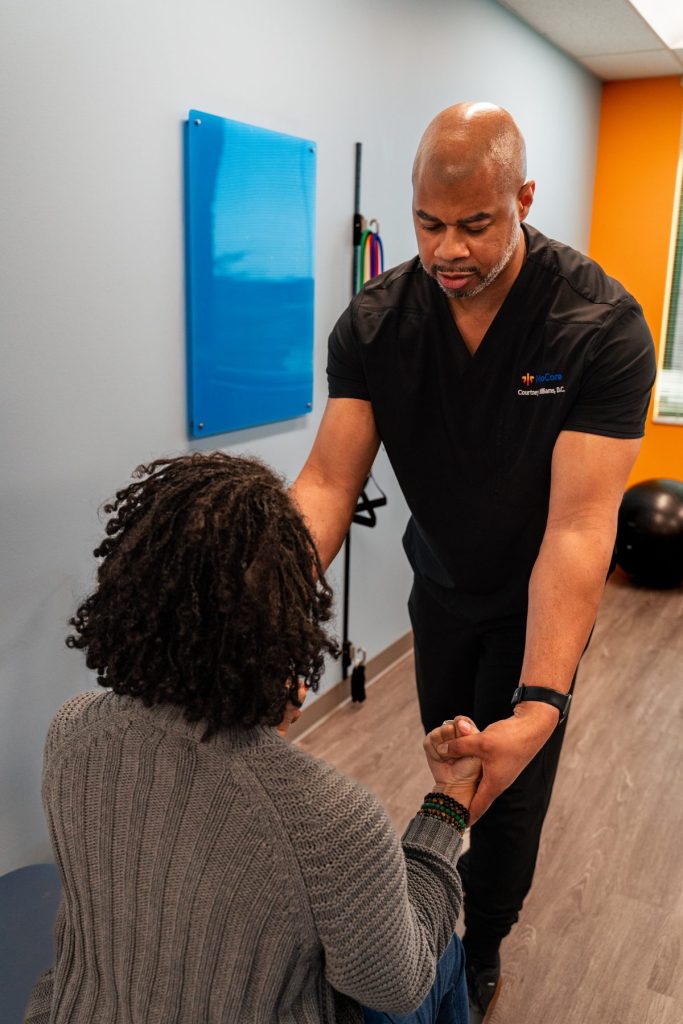
Manual therapy, soft-tissue work, and gradual re-introduction of motion. Pace adjusted to where you are in healing — never pushed past tolerance.
04
Records and reporting
Itemized treatment notes, narrative reports for your attorney or insurer, and clear discharge documentation when you’re back to baseline.
Featured reading · 9 min
Whiplash in the first 72 hours: what to do, what to avoid, and when to call a doctor
A practical, hour-by-hour guide for anyone in Irving who’s been rear-ended this week — what’s actually happening to your neck, what helps, what makes it worse, and the red flags that mean stop reading and go to an ER.
Don’t see what you’re dealing with? Call us — we’ll tell you honestly whether we can help or who to see instead.
Who this is for
A good fit if…
Recently in an auto accident — even if symptoms feel minor
Already working with an attorney
Symptoms returned weeks after a previous accident
Common questions
The questions we hear most.
If yours isn’t here, just ask when you call — we don’t gatekeep information.
How soon after an accident should I be seen?
Within 72 hours if possible. Documenting early symptoms is critical — both for your recovery and for your case. Many injuries are silent for the first day or two.
Do you work with attorneys and insurance adjusters?
Yes. We provide itemized notes, narrative reports, and clear documentation that holds up under review. We don’t inflate, and we don’t under-treat.
Will my auto insurance cover this?
Usually yes, under PIP (personal injury protection) or MedPay. We can verify your benefits before your first visit.
 Franchise