Plain-English on what’s actually going on — so the treatment plan makes sense before you commit to it.
Why athletic injuries are usually mobility deficits in disguise
When a hip can’t extend through full range, the lumbar spine extends instead — and the lumbar spine is built for stability, not for repetitive motion. After enough reps, the segment that was compensating becomes the segment that’s symptomatic. The hamstring strain, the low back tweak, the shoulder impingement — most of them trace back to a joint somewhere else that quietly stopped moving six months ago.
Why training around it doesn’t fix it
You can build strength around a mobility deficit for a long time. Strength wins early. Then asymmetry catches up, and what felt like a strength problem turns out to be a movement problem with strength built on top of it. The fix is to restore the missing range first, then rebuild strength through the new range.
What we do about it
Three things, in this order.
No 36-visit packages. No mystery techniques. Just the part that actually changes the picture.
01
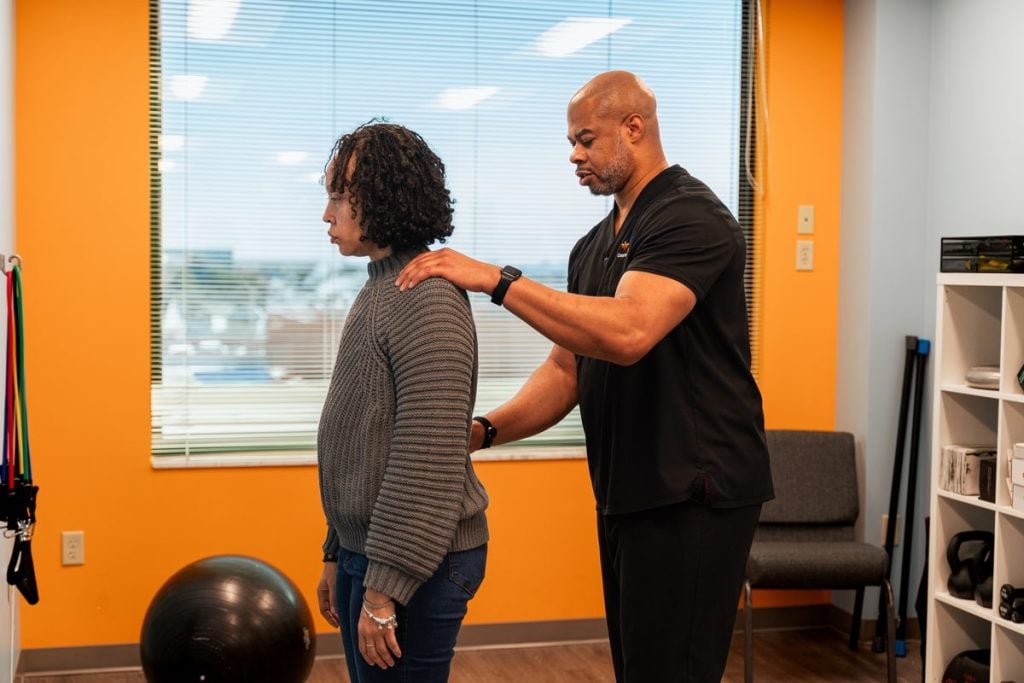
Sport-specific screen
Lifters get hip and shoulder rotation patterns. Runners get single-leg stability and ankle mobility. Cyclists get thoracic rotation. We screen what your sport actually demands.
02
Restore range before strength
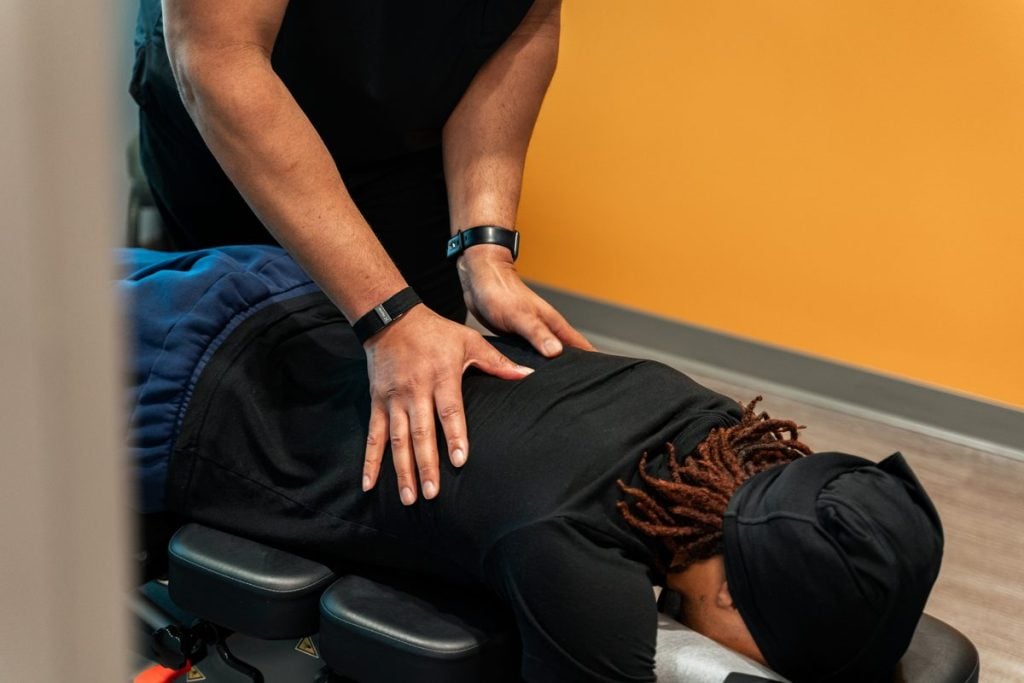
Adjustments to the segments that lost mobility, soft-tissue work to the muscles holding the restriction, then the loaded movement work that locks it in.
03
Calendar-aware care
Heavier work in your off-season, lighter tune-ups during competition, and an honest call when you should back off.
What happens during a visit
No mystery. No surprises.
Every visit follows the same honest structure — assess, treat, plan. Here’s exactly what to expect.
01
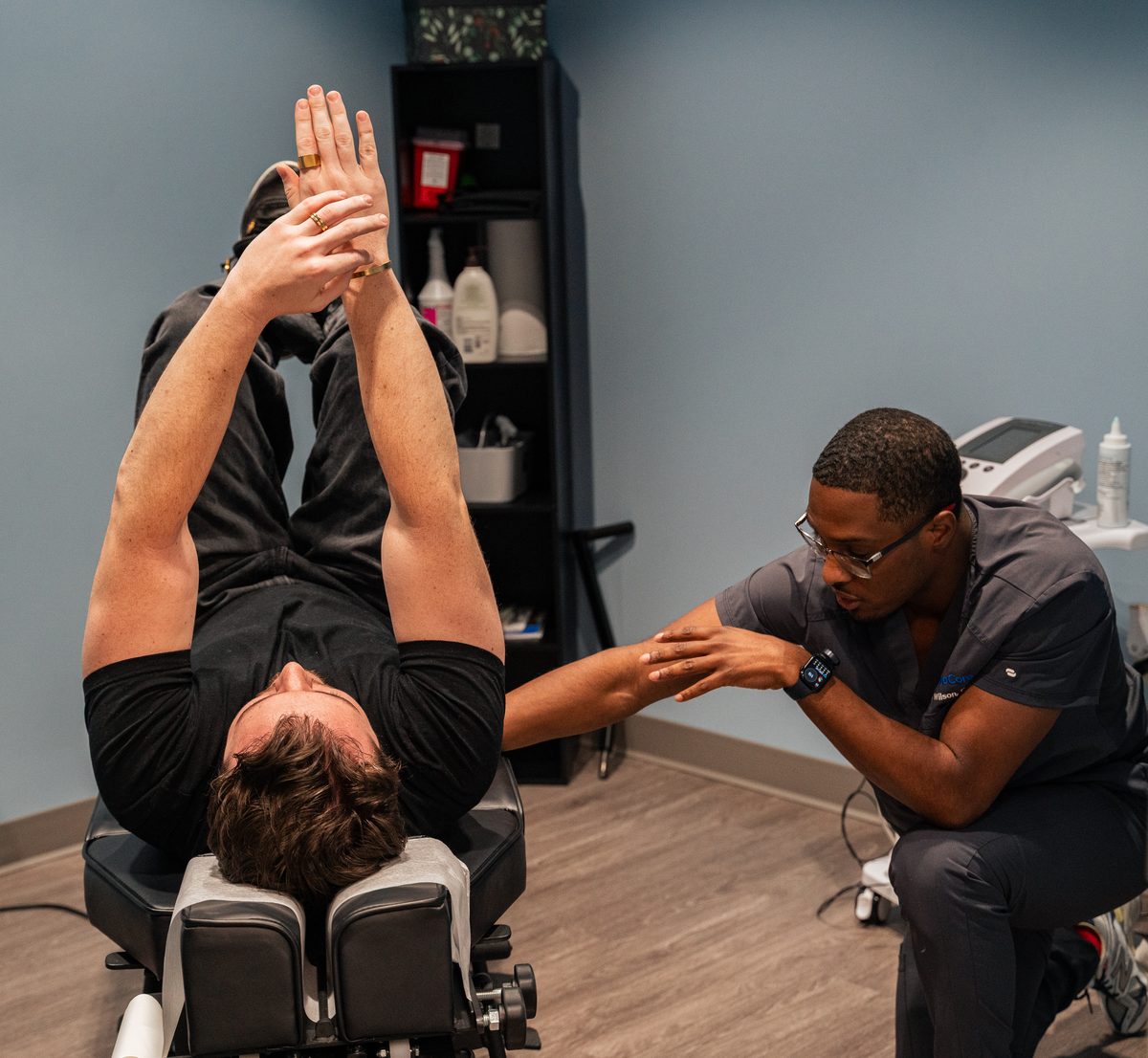
Sport-specific movement screen
We look at the demands of your sport, where you’re compensating, and the asymmetries that turn into injuries down the line.
02
Joint and tissue work
Adjustments where mobility is the limiter, soft-tissue work where tension is. Always paired — never one without the other.
03
Return-to-play decision points
Honest conversation about when to back off, when to push, and what ‘ready’ actually looks like for your event.
04
Performance maintenance plan
Most active adults benefit from a 2–4 week recurring tune-up. We’ll build the schedule around your training calendar, not ours.
From the library
See it explained, then read the deeper version.
Short videos from Dr. Williams and Dr. Wilson on this exact topic. Each one links to a full article so you can save or share it.
 Franchise